Restoring nature. Cutting carbon. Powering a greener tomorrow.

Hydropower that keeps

Albania’s lights on

Hydro Energy

Hydro capacity in production and 0.7 MW under reconstruction across EU Green Energy’s projects.
0 +MW

Hydro plants provide flexible, low-carbon generation that complements solar and wind, helping to cover demand in dry or peak periods while reducing dependence on imports.

Cleaner, more reliable power for the future

Lower long-term energy costs

Deliver cost-efficient renewable power with low operating costs over the plant lifetime.

Flexible generation when demand peaks

Provide dependable domestic generation that strengthens long-term energy security.

Domestic, low-carbon power source

Increase generation quickly when electricity demand rises or other renewable output falls.

Support for integrating solar and wind

Rely on established hydropower technology with decades of operational experience.

Increased security of supply

Generate clean electricity from local water resources with very low operational emissions.

Proven, mature technology

Maintain strong generation efficiency and reliable performance over long operating periods.

High efficiency over plant lifetime

Balance variable solar and wind generation with flexible and controllable hydropower output.

Reservoirs that can assist flood management

Support controlled water management while helping reduce the impact of high-flow periods.

Benefits for homes, businesses and communities

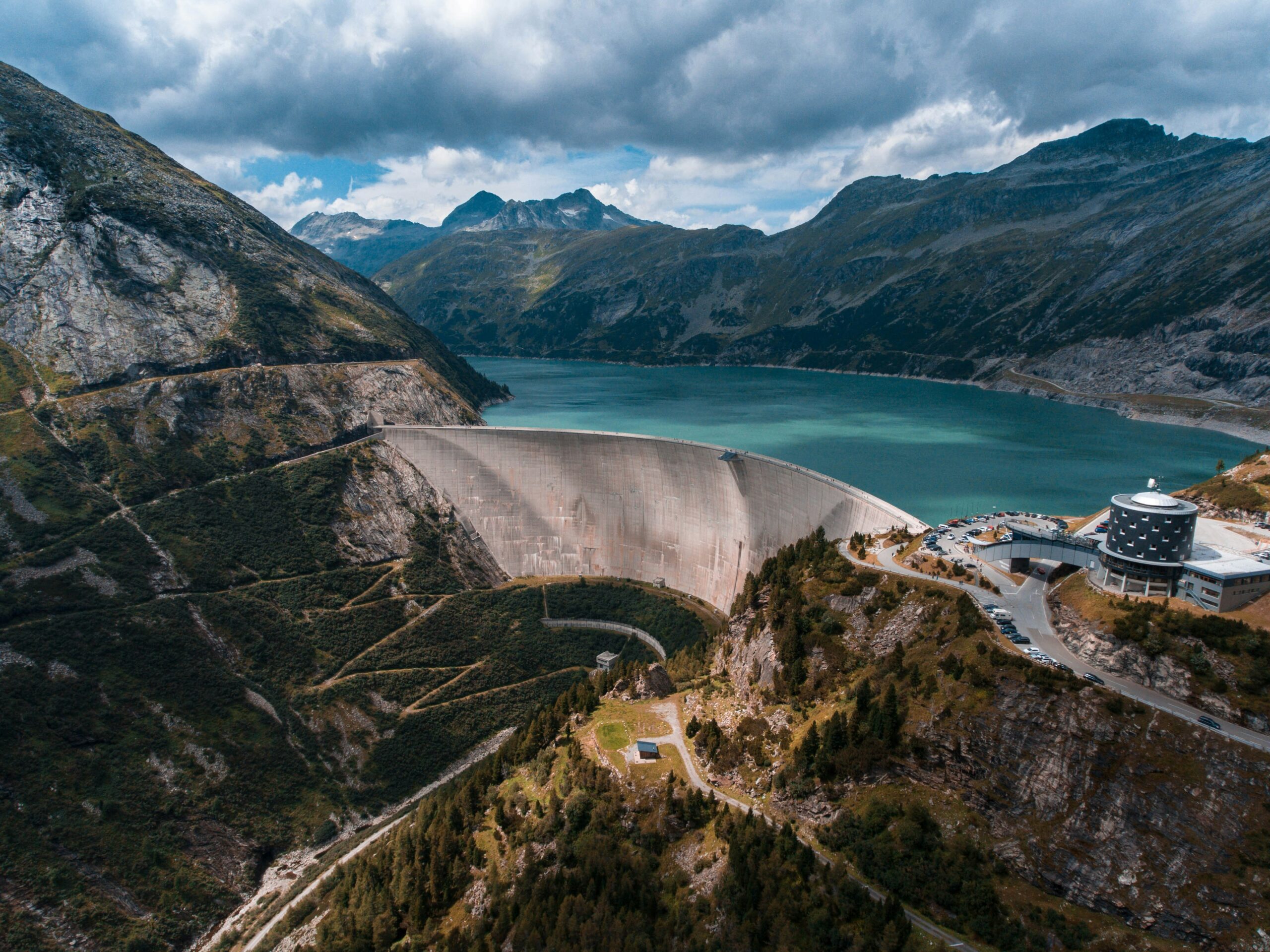
Mountain reservoir storage

Store water and energy for flexible generation.

Clean Hydro generation

Produce renewable electricity from water.

Reliable Grid Support

Deliver stable power when demand is highest.

Hydro Energy FAQ

Find answers to the most common questions about our hydro energy solutions. Learn more about hydropower projects, their benefits, and our approach to sustainable energy development.

Hydropower is still the main source of domestic electricity generation in Albania and provides a large share of the country’s installed capacity.

It uses the natural water cycle. Rain and snow replenish rivers and reservoirs, so the resource is continuously renewed, unlike fossil fuels which are finite.

Hydro plants can ramp production up or down quickly. This flexibility helps balance variable output from solar and wind, keeping frequency and voltage stable.

Projects must be designed to respect river ecosystems, manage sediment, protect biodiversity and secure fish migration routes, while also considering social and land-use impacts.

Benefits include improved grid reliability, better quality of supply in remote areas, local employment during construction and operation, and long-term infrastructure investment.

Production depends on rainfall, so dry years reduce output. This is why Albania is diversifying with solar, wind and storage, while upgrading existing hydro assets for better efficiency.