Community Engagement and Stakeholder Dialogue
Our Approach to Community Engagement
EU GREEN ENERGY follows a structured and transparent engagement process in every project location. We consult early with residents, landowners, municipal authorities, and local stakeholders to ensure open communication, clarity of project scope, and responsible development practices at every stage.
— Community Engagement
Early Consultation & Transparency
— Local Partnership
Ongoing Dialogue & Collaboration
— Responsible Development
Impact Awareness & Feedback Integration
• Early identification of stakeholders, including residents, landowners, municipal representatives, and local institutions
• Public information meetings to present project scope, technical parameters, and expected timelines
• Clear communication of environmental and social considerations
• Ongoing dialogue during development, construction, and operational phases
• Continuous monitoring of local impact to support long-term community alignment
Ongoing Dialogue and Long-Term Partnership
We maintain active communication channels with local communities before, during, and after project development. Feedback mechanisms allow concerns to be addressed transparently and promptly. Our objective is to build long-term relationships based on trust, clarity, and mutual benefit.
Improving Local Access
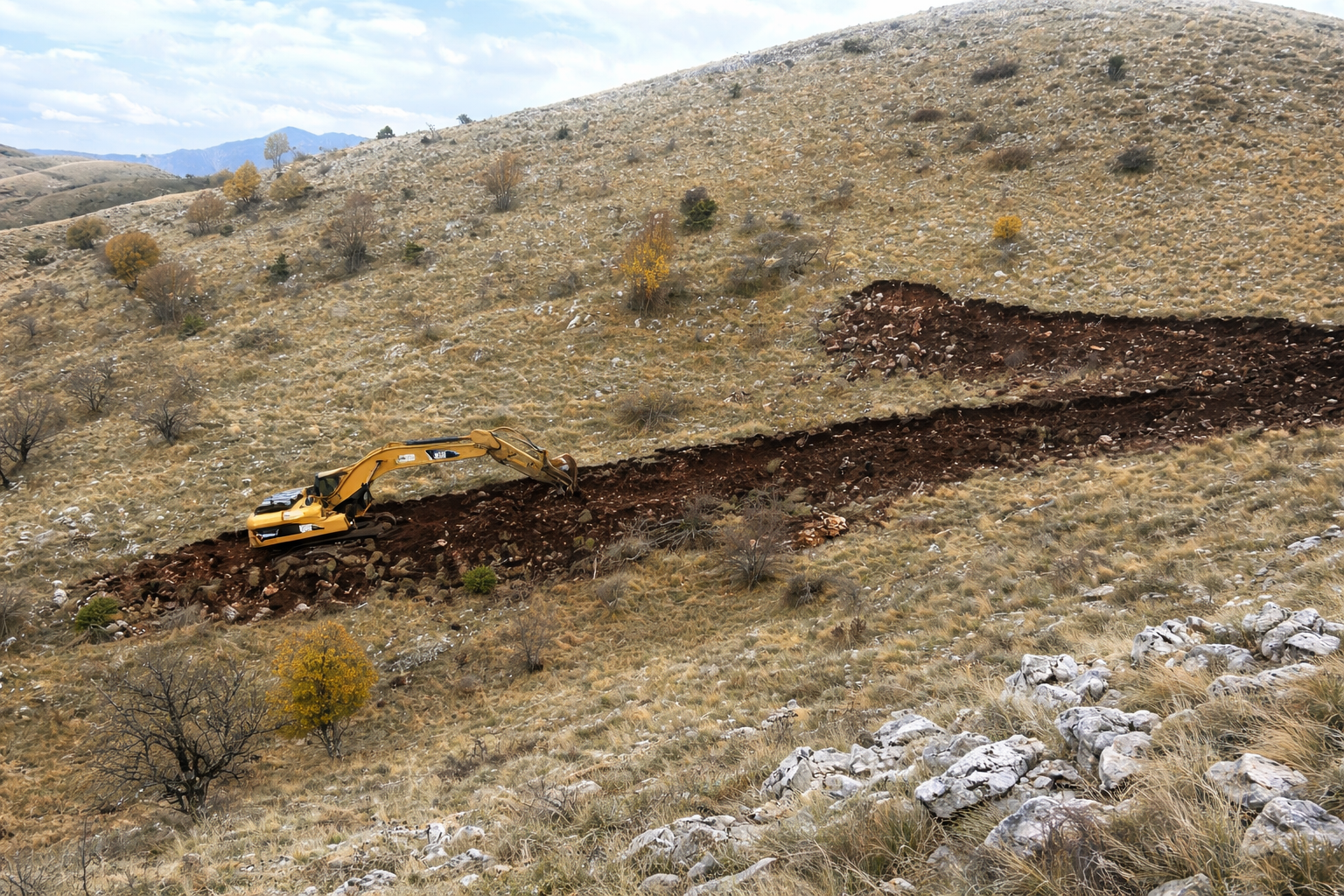
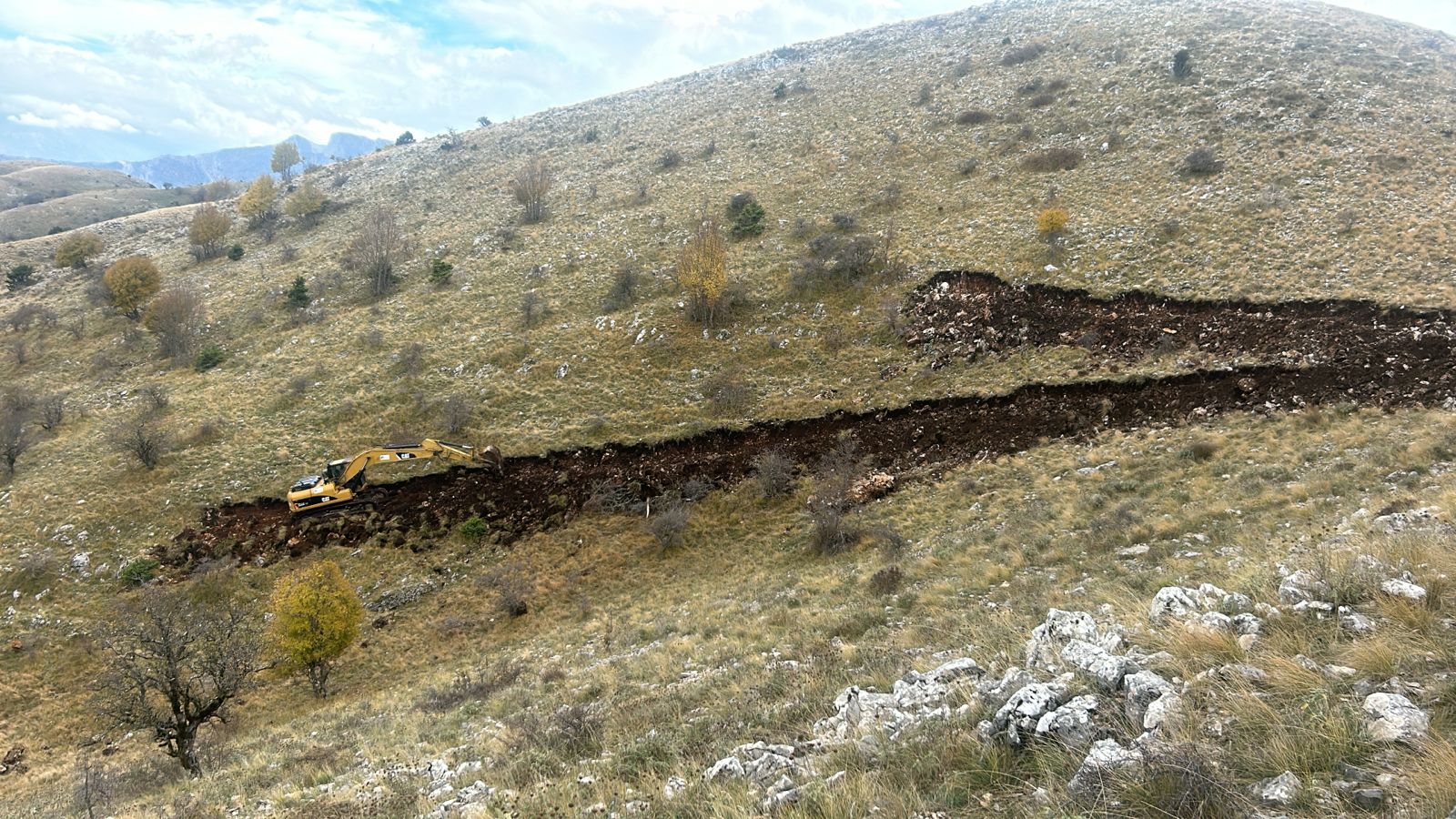
EU GREEN ENERGY contributes to local infrastructure by building access roads that connect remote areas with nearby towns and services. These improvements support renewable energy development while also improving mobility for nearby communities.
Why build access roads?
Construction is carefully planned to minimize land disturbance and follow environmental protection measures.
Do communities use these roads?
Construction is carefully planned to minimize land disturbance and follow environmental protection measures.
How is environmental impact reduced?
Construction is carefully planned to minimize land disturbance and follow environmental protection measures.
Renewable Energy in Natural Landscapes
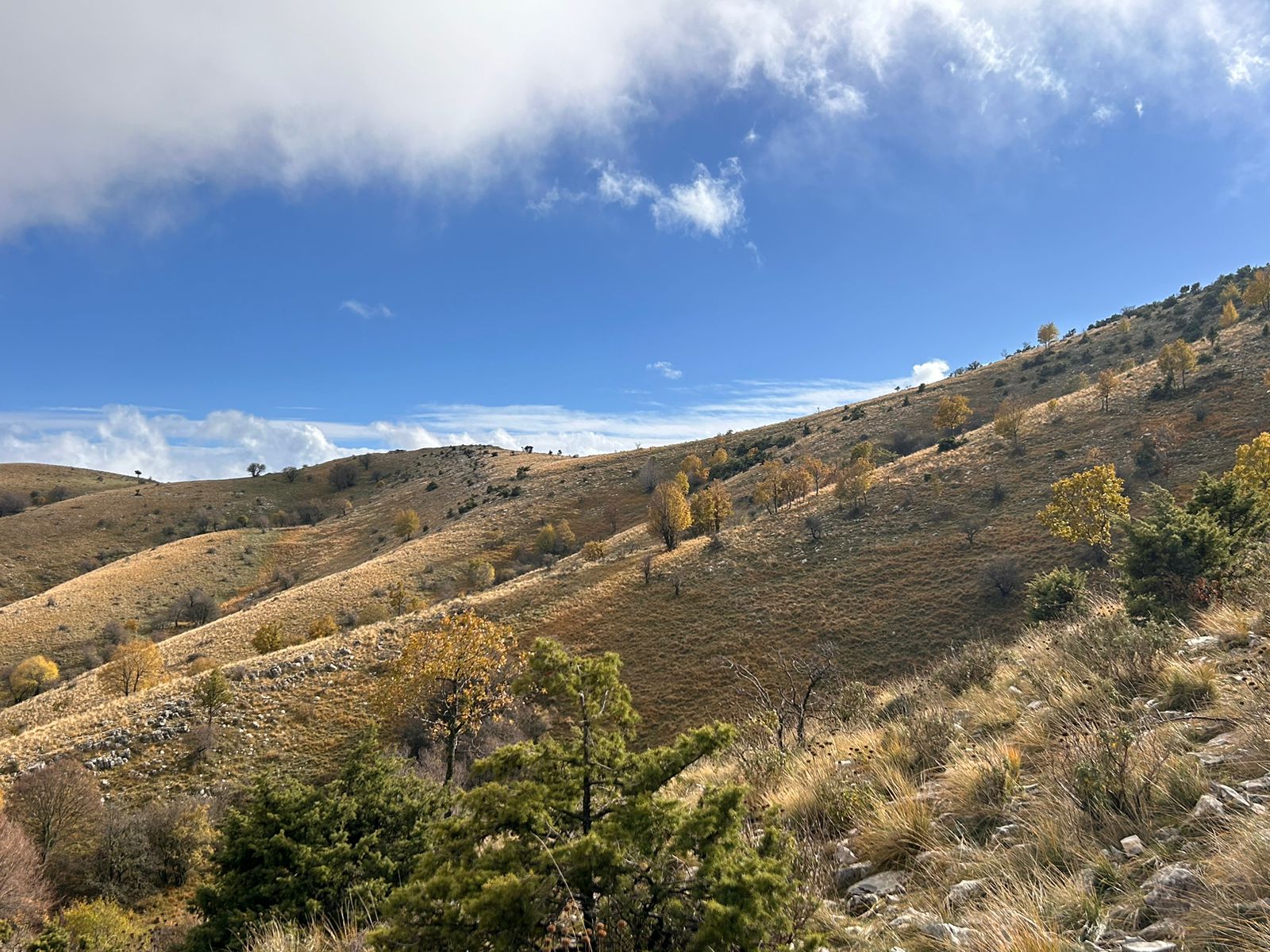
Renewable energy projects are often developed in mountainous and rural landscapes where natural conditions are suitable for sustainable energy generation. These locations are carefully selected to balance energy production with environmental responsibility.
Why build in mountains?
Mountain areas often provide ideal natural conditions for renewable energy infrastructure.
How are these areas protected?
Environmental studies are performed before development to ensure ecosystems and habitats are respected.
Do projects change the landscape?
Projects are designed to limit environmental and visual impact on the surrounding area.
Supporting Regional Communities
Eu Green Energy works closely with local communities and authorities to ensure that renewable energy projects support long-term regional development while respecting local environments and needs.
How do projects support development?
Projects can improve infrastructure, create construction jobs, and support regional investment.
Are communities involved?
Yes. Local authorities and communities are consulted during planning and development.
What long-term benefits exist?
Communities benefit from improved infrastructure and sustainable energy development.
Building Energy Infrastructure
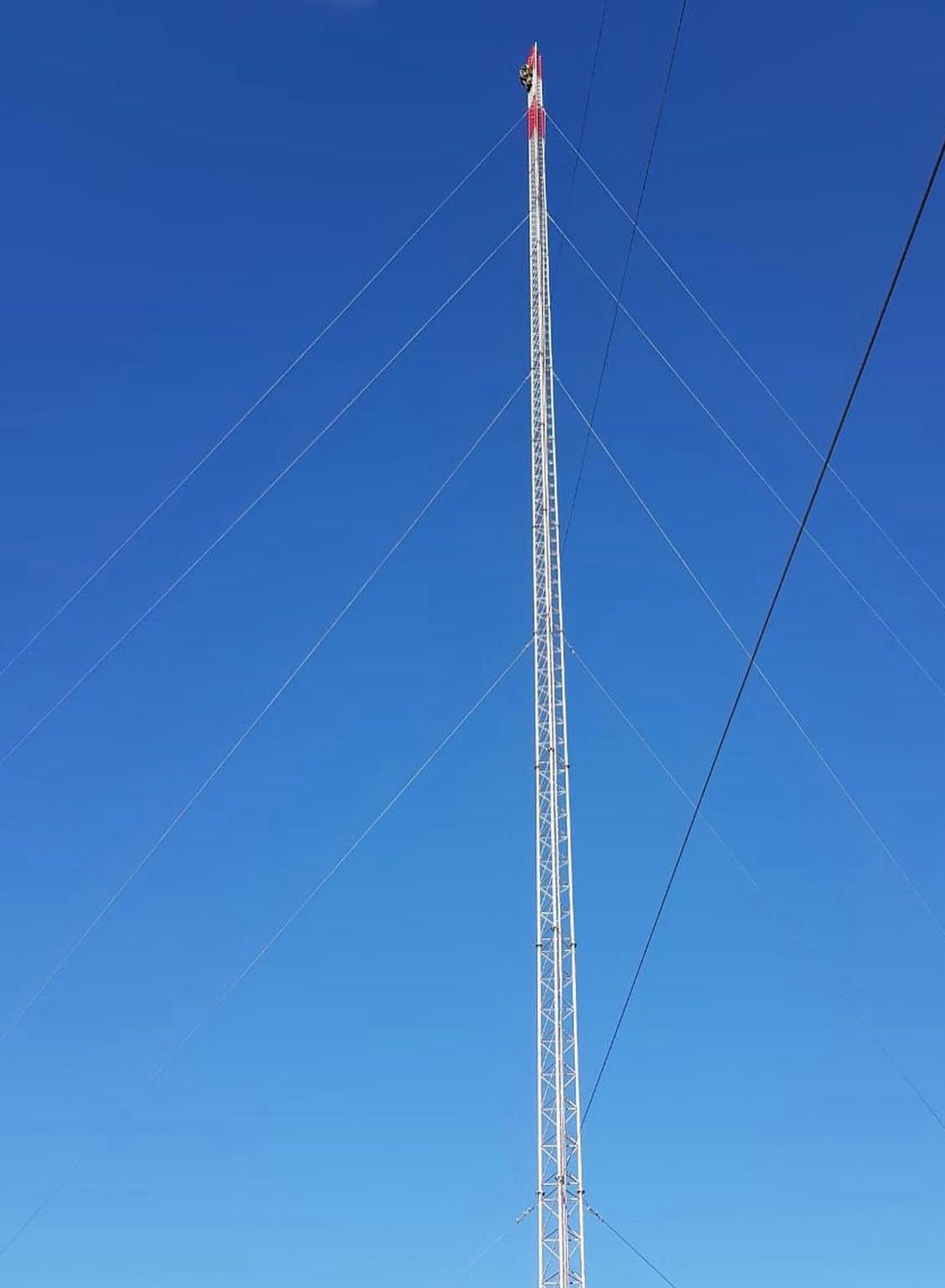
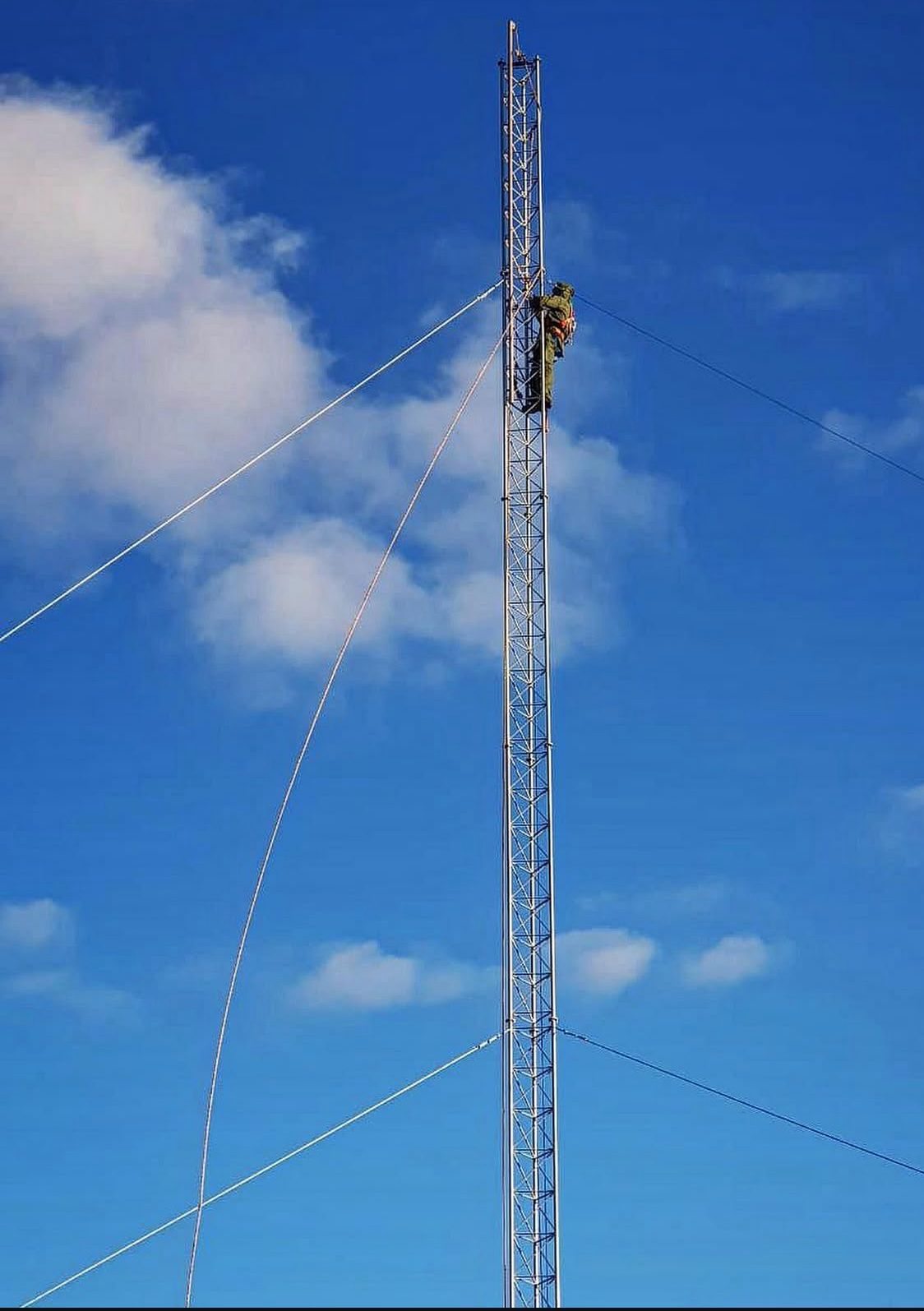
EU Green Energy develops and maintains key energy infrastructure required for renewable energy systems. Field engineers and technicians install and maintain structures that support energy generation and distribution.
What infrastructure is installed?
Projects may include transmission towers and other support structures for renewable energy systems.
Who performs the installation work?
Trained engineering and technical teams carry out the installation and maintenance.
How is safety ensured?
Strict safety procedures and specialized equipment are used during all field operations.
Reliable Transmission Networks
Reliable transmission infrastructure is essential for transporting renewable energy to the power grid. Eu Green Energy supports the development of durable structures that enable efficient energy distribution.
Why are transmission structures important?
They allow energy produced from renewable sources to be transported to the power grid.
How long do structures last?
Well-engineered transmission structures can safely operate for several decades.
How are they integrated into landscapes?
Locations and designs are chosen to balance technical needs with environmental considerations.