1M trees planted. Cutting carbon. Powering a greener tomorrow.

Solar projects that turn Albania’s sunshine into reliable power.

Solar Energy

Planned solar capacity across EU Green Energy’s projects in South Albania.
0 +MW

Solar Energy · EU Green Energy

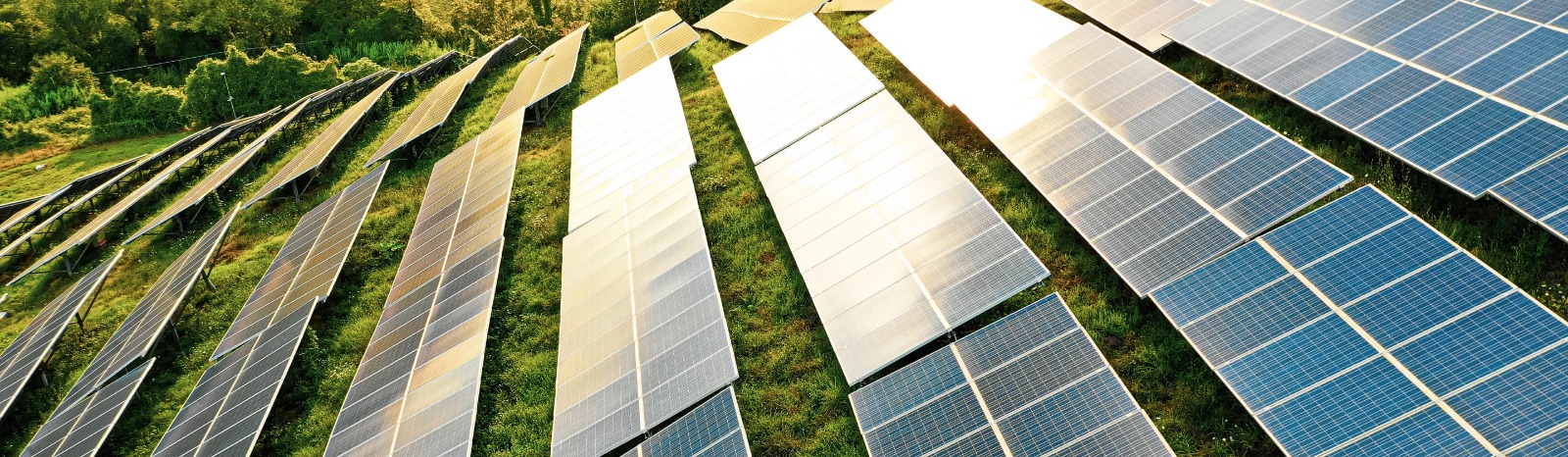
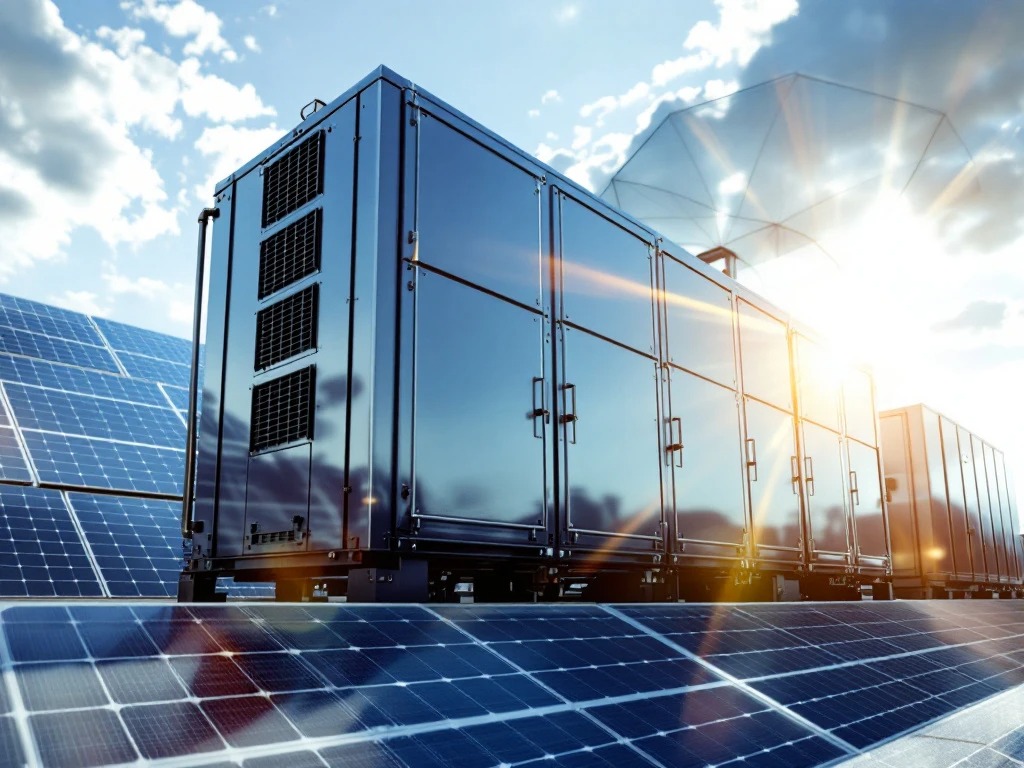
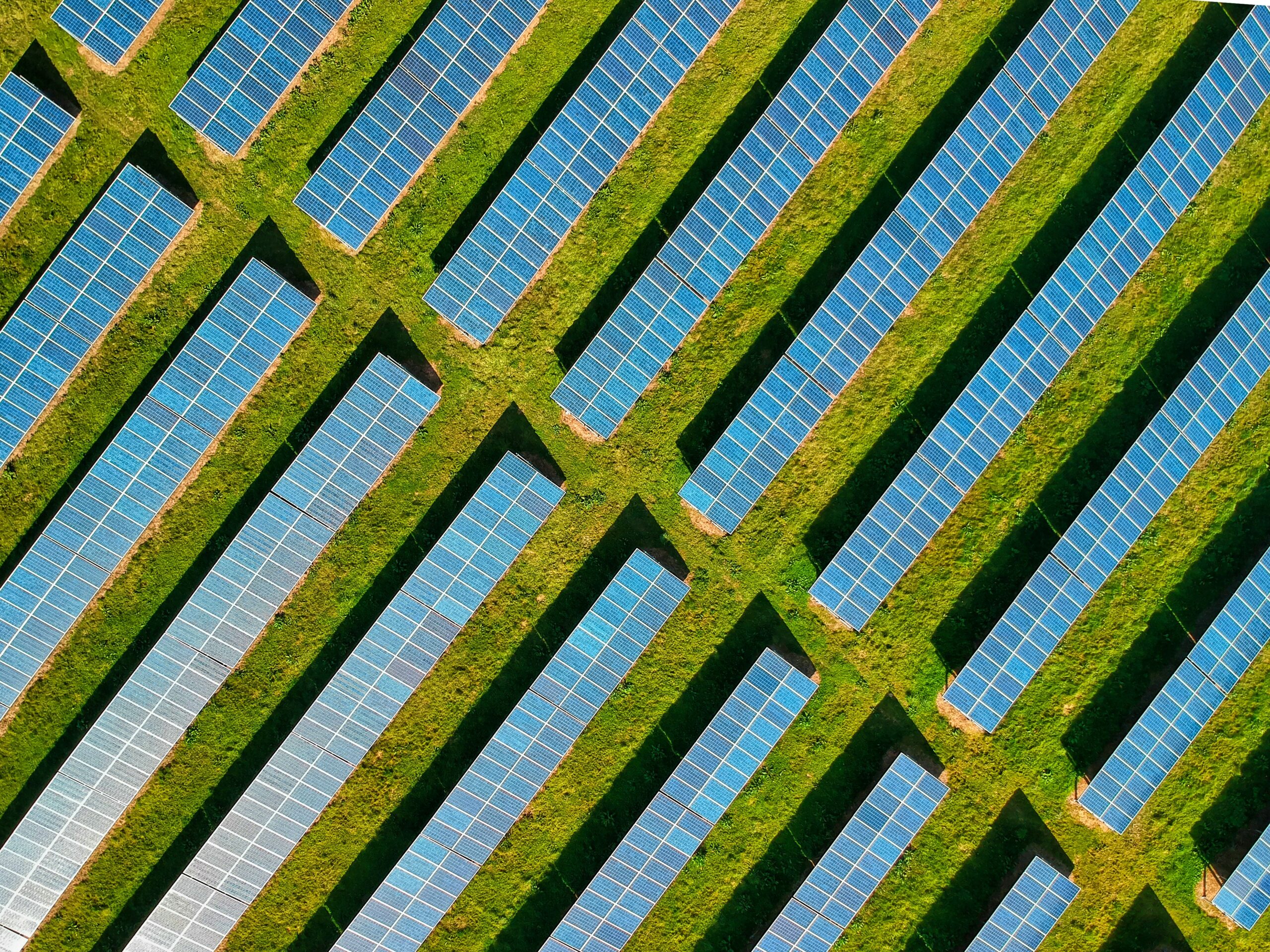
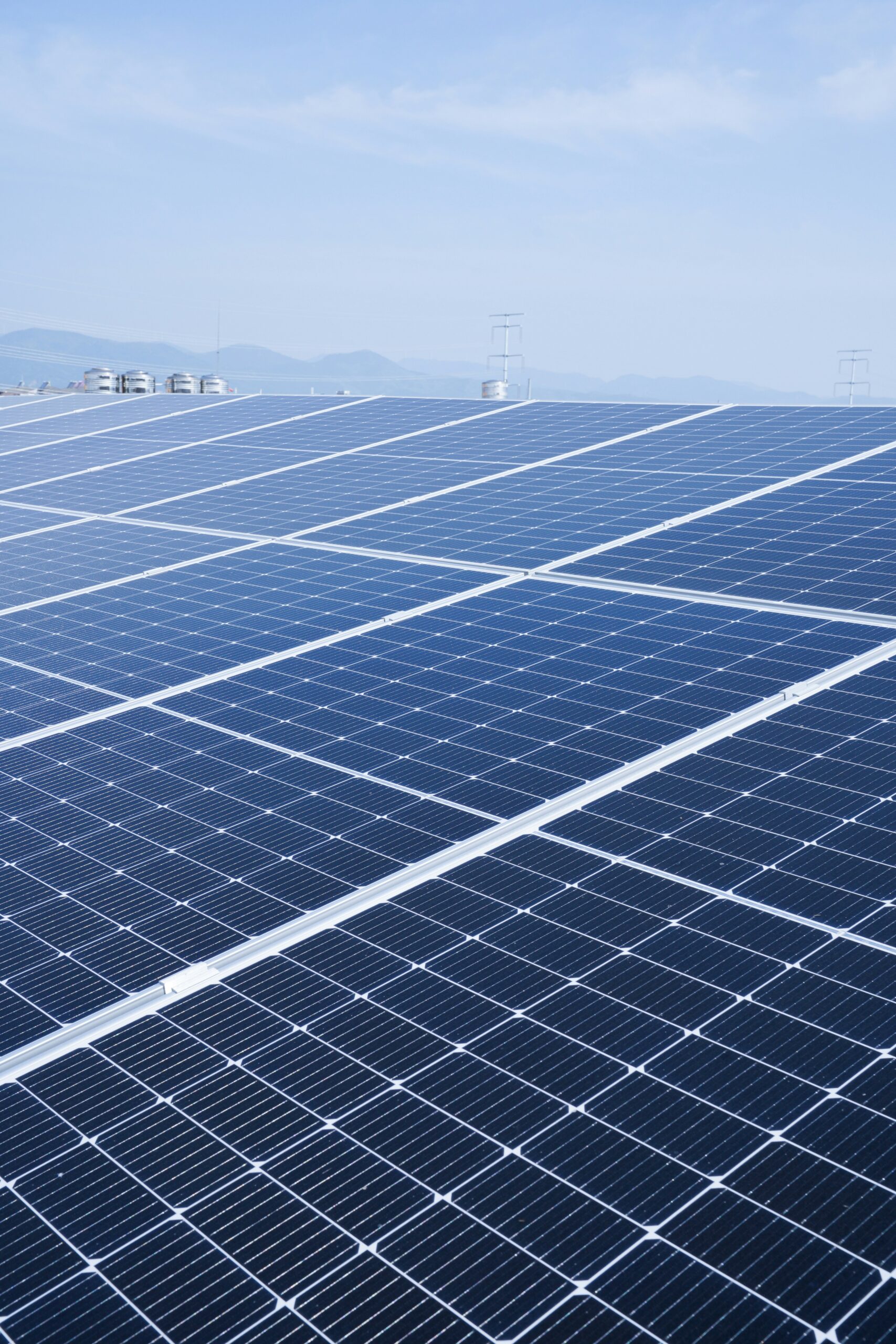
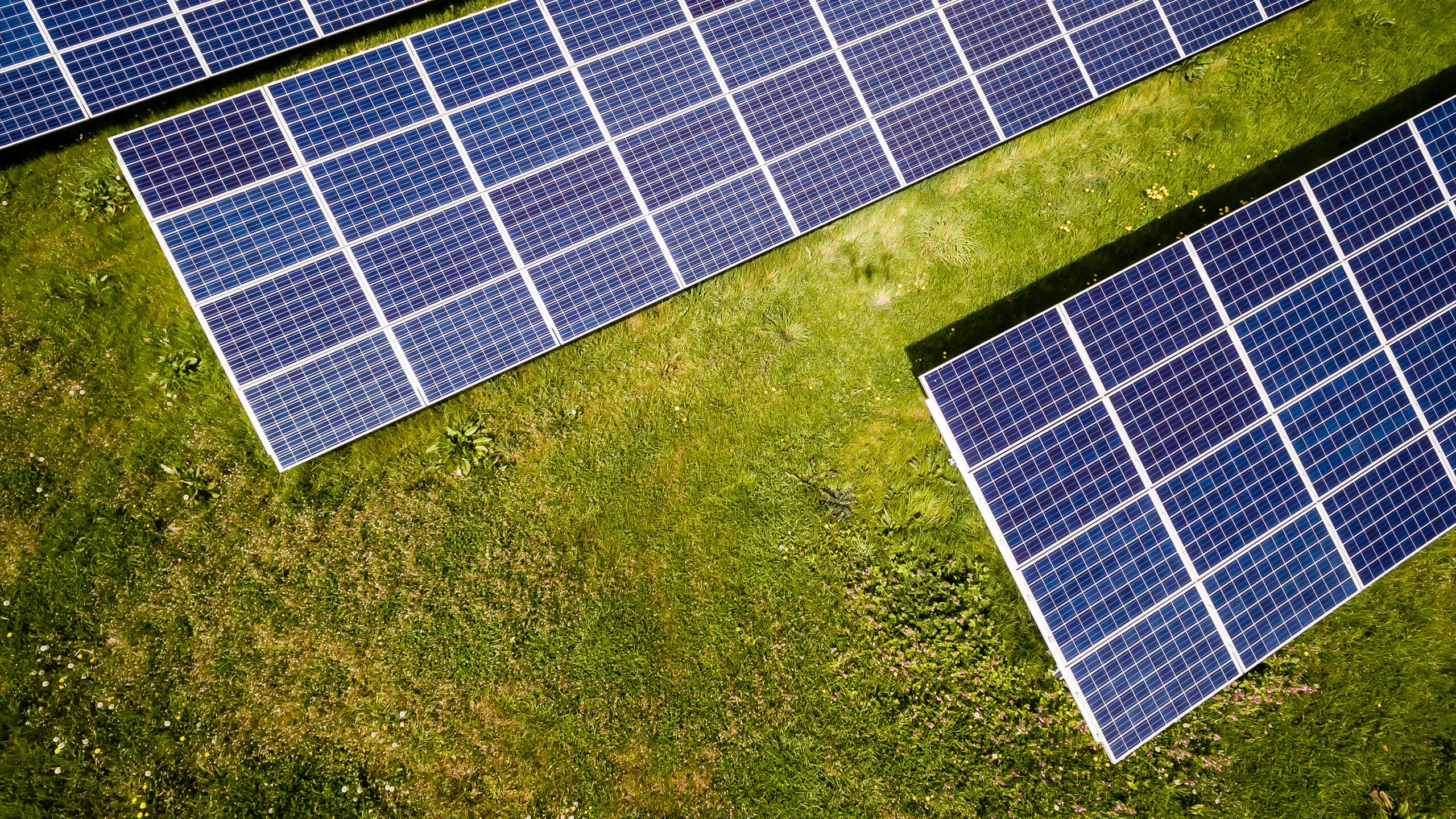
EU Green Energy is developing utility-scale solar parks and battery storage in South Albania, adding reliable low-carbon electricity to the national grid while complementing existing hydropower.

Powering You Green

Benefits for homes, businesses and communities.

— Solar for households

Lower electricity bills with clean power.

— Solar for businesses

Stable long-term energy costs.

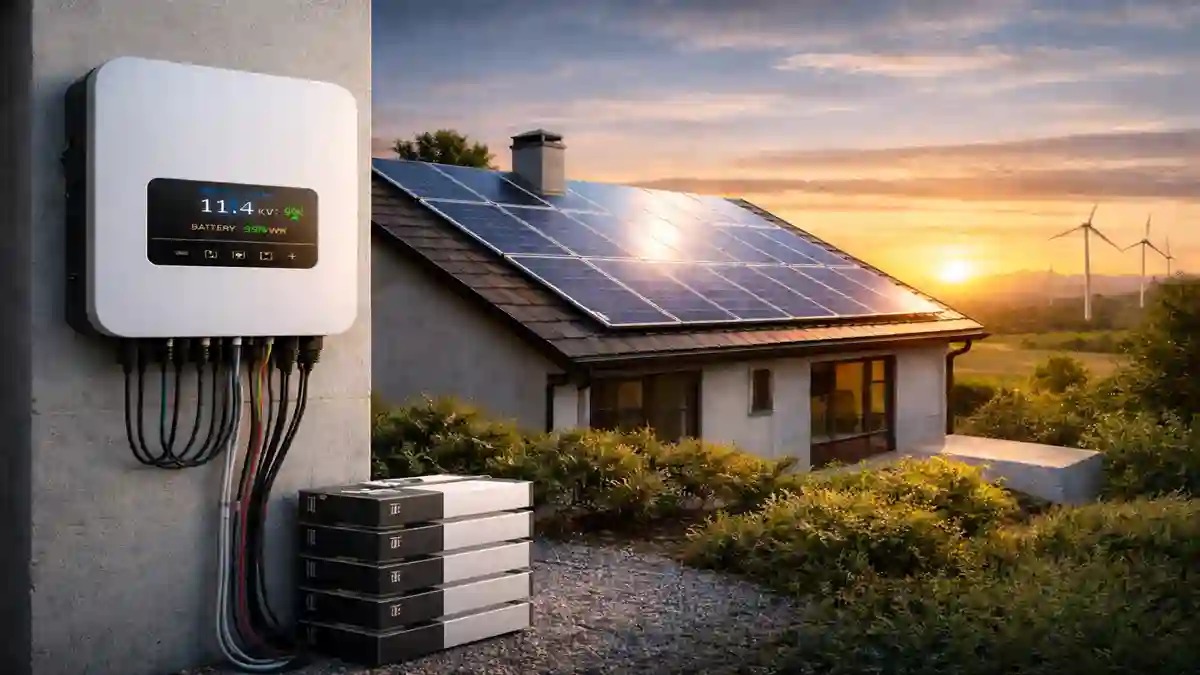
— Solar & storage

Reliable power even after sunset.

— Local development

Jobs and income in host communities.

— Environment

Less CO₂ and cleaner local air.

— Energy independence

Reduced need for imported electricity.

Frequently Asked quesitons

FAQ For Solar Energy

EU Green Energy is developing utility-scale photovoltaic (PV) parks, some combined with battery energy storage. These plants will feed low-carbon electricity directly into Albania’s transmission grid. Their role is to add firm capacity, especially in dry years when hydropower production is low.

By adding more local generation that does not depend on imported fuel, PV projects help reduce exposure to volatile wholesale prices. The extra capacity also improves security of supply, which lowers the risk of expensive emergency imports. They cannot guarantee a fixed retail tariff, but they support a more stable and predictable power system overall.

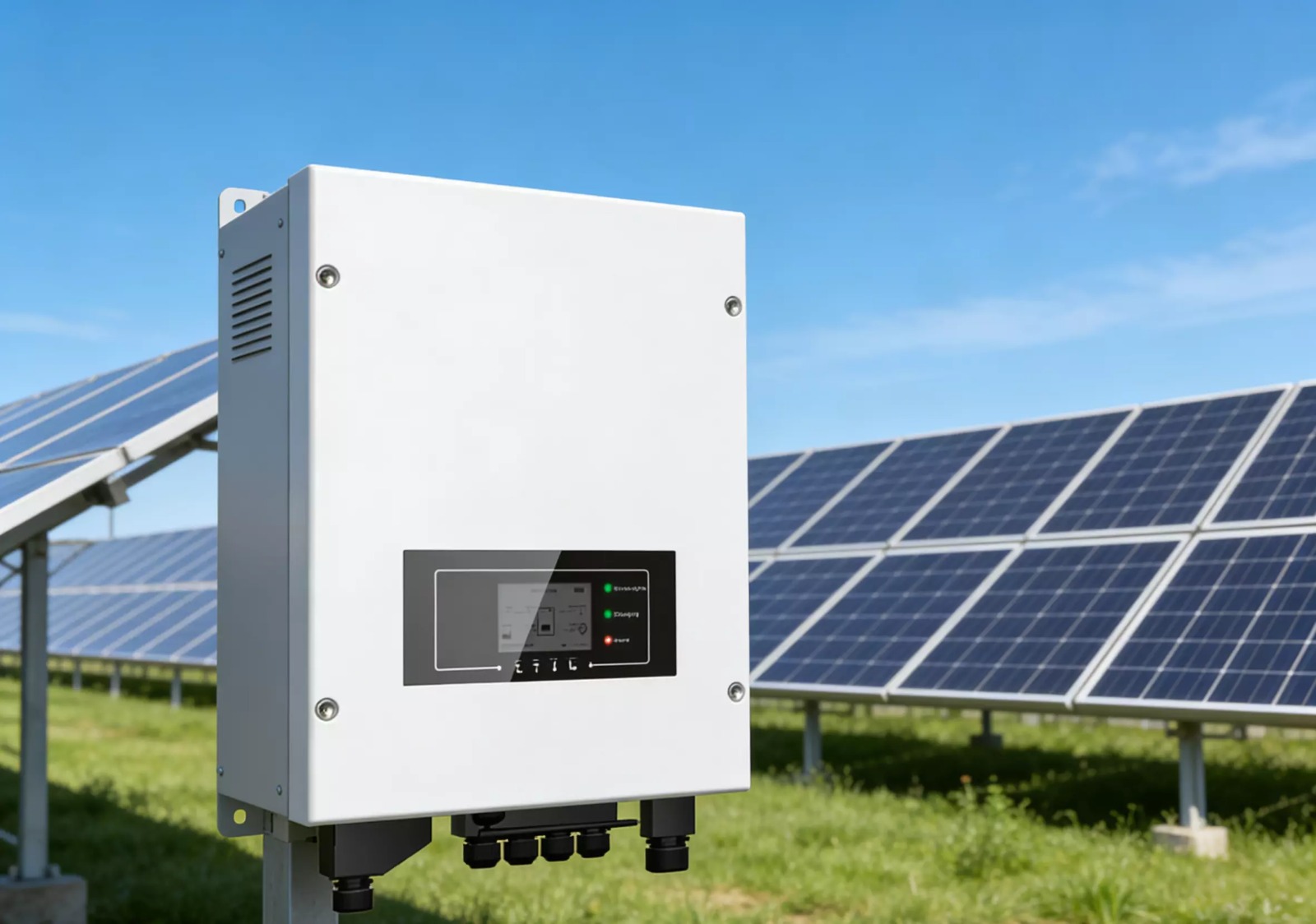
PV modules convert sunlight into direct current (DC) electricity. Inverters transform this into alternating current (AC) and synchronize it with the grid. Transformers then raise the voltage so the energy can be transported efficiently through the transmission network.

The main impacts are land use, visual change, construction traffic and limited noise from inverters and transformers. Before any project is approved, detailed environmental and social impact assessments are carried out. Mitigation measures include careful site selection, buffer zones, landscaping, controlled construction hours and monitoring of biodiversity. The plants do not burn fuel, so they do not produce air emissions or operational wastewater.

Projects create temporary jobs during construction and a smaller number of long-term technical and maintenance roles. Landowners can receive lease payments, and municipalities benefit from local taxes and fees. In addition, project developers typically contract local services such as transport, accommodation and catering, and may support targeted community initiatives.

Solar panels are inert equipment with no combustion and very low operating risk when installed to EU standards. Electrical safety is managed through grounding, protection systems and regular inspections. At the end of their 25–30-year life, panels and equipment are removed under a decommissioning plan, and most materials—glass, aluminium and metals—can be recycled, with the site restored or repurposed.

Why solar energy matters today

Cleaner, more reliable power for the future.